Property insights · Smile Elite
Maximising Storage in Your Home: The Loft Advantage
By Smile Elite ·
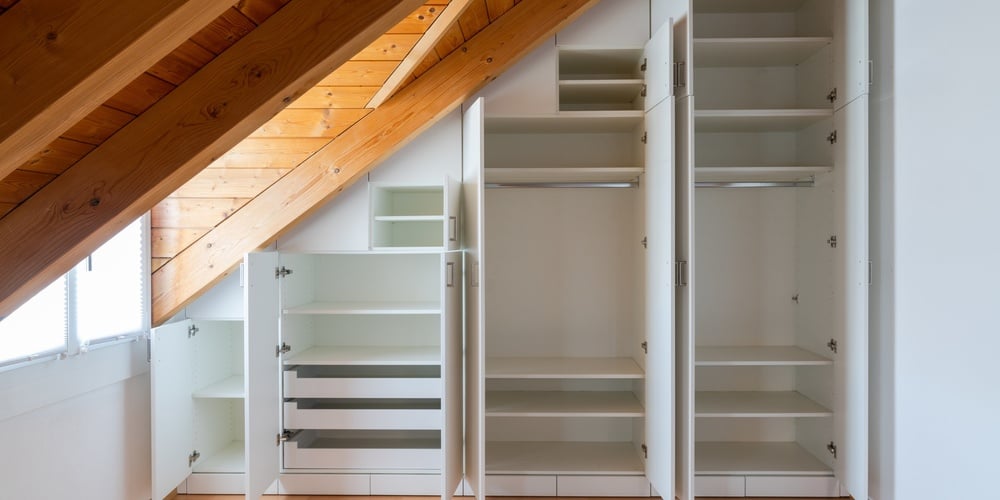
In many Australian homes, especially those with pitched roofs, valuable storage space is sitting unused just above our heads. Loft storage offers a clever and cost-effective way to declutter living areas without sacrificing style or function. Whether you are in a bustling metro suburb or a regional area, a well-planned loft can significantly improve how you maximise space in your home.
Why Loft Storage?
Modern homes often struggle with storage – especially as families grow or as we accumulate more belongings. While built-in wardrobes and garage shelving help, they can quickly fill up. A loft offers the opportunity to reclaim hidden space, making the most of your home’s footprint without a full-scale renovation.
Key Benefits of Loft Storage
1. Extra Storage Without Extending
One of the biggest advantages of loft storage is that it doesn’t require extending your home. You are using space that already exists, often under a pitched roof, making it a highly economical option.
2. Decluttering Made Easy
From seasonal decorations and suitcases to children’s toys, keepsakes, or even archived paperwork – a loft helps keep your living spaces free of clutter; while ensuring you can still access your stored items when needed.
3. Increase Property Appeal
Storage is a major selling point for buyers. While a basic loft storage space might not directly add to your property’s value like a full renovation, it can make your home more attractive in a competitive market.
4. Energy Efficiency Boost
Properly insulated loft flooring can improve your home’s energy efficiency. While setting up the space, it is the perfect time to check insulation levels and seal any gaps that allow heat to escape during winter or enter during summer.
What can Loft Storage be used for?
- Suitcases and travel gear
- Seasonal decorations (Christmas trees, Halloween props)
- Sentimental items (photo albums, baby clothes)
- Camping and sporting equipment
- Archived documents or business files
How to Create Loft Storage
1. Assess Your Roof Space
Not all roof spaces are created equal. Homes with steeply pitched roofs typically offer more usable space than flatter designs. You will want a minimum clearance of around 1.2 metres at the highest point for comfortable access.
Tip: Homes built before the 1990s often have larger roof cavities, especially in single-storey dwellings with pitched roofs.
2. Engage a Professional
Before installing anything, it is wise to have a builder skilled in loft conversions or structural engineer assess whether your ceiling joists can handle extra weight. Standard joists are not designed for heavy loads, so reinforcing the structure may be necessary.
3. Install Loft Flooring
A purpose-built loft floor must be installed to spread the load evenly and provide a safe surface for walking and storing items. Avoid placing items directly on ceiling plasterboard – it is not designed to bear weight.
4. Choose Your Access Option
You can install a drop-down ladder (folding attic stairs) for quick access, or opt for a permanent staircase if converting the space into a full loft room. Drop-down ladders are ideal for storage-only lofts and are available in timber, aluminium, or steel. As already mentioned, a builder skilled in loft conversion can advise what is best for your particular design.
5. Consider Lighting and Ventilation
Install basic lighting (like LED strip lighting) and ensure the space is ventilated to prevent mould and heat buildup. This is especially important in Australian climates, where roof spaces can reach extreme temperatures.
Estimated Costs in Australia
Costs vary depending on your roof structure, materials used, and the size of the space. Here’s a general guide given by The Attic Group:
Basic Attic Storage Solution from $1995* or Dust Proof Attic Room From $4995* EOFY Special.
DIY is possible for those confident with tools, but professional installation is recommended for safety and compliance. Some examples The Attic Group, Green Frog Roofing
Things to Be Aware of:
1. Weight Limits
Your loft storage needs to be light-duty unless reinforced. Avoid storing heavy furniture, boxes of books, or gym equipment unless a builder confirms the joists are capable of supporting them.
2. Insulation Interference
In some cases, laying flooring over insulation can reduce its effectiveness. You may need to raise the floor slightly to allow for sufficient insulation underneath.
3. Access and Safety
Ensure the access ladder or stairs meet Australian safety standards and are installed securely. Don’t overlook the importance of safe, stable access.
4. Potential Pests
Roof cavities can attract rodents or possums, especially in older homes. Ensure gaps are sealed and the area is checked before installing storage.
5. Council or Building Approvals
For a basic storage loft, approvals usually are not required. But if you are planning a full conversion into a habitable room (e.g., a study or bedroom), local council approval and building certification are essential.
Final Thoughts
Loft storage is one of the smartest ways to add functionality to your home without sacrificing style or space. For growing families, home businesses, or even minimalist homeowners needing “just a little extra room,” a loft can deliver a big return on a modest investment.
By approaching it the right way – with professional advice, quality materials, and proper safety checks – you can enjoy a clutter-free home and make the most of the space you already have.
Originally published by Smile Elite.
Back to all blogs