Property insights · Smile Elite
The advantages of adding a secondary dwelling to your property
By Smile Elite ·
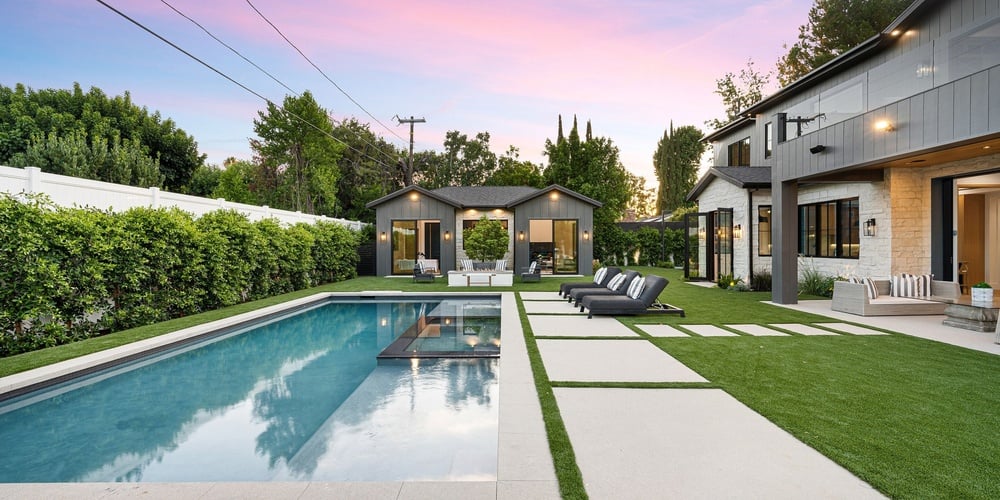
Looking for a smarter way to unlock hidden value in your home? A secondary dwelling, or granny flat, could be one of the most practical and versatile property upgrades you make, helping to create income, improve lifestyle flexibility and add long-term appeal to your property.
In a market where Australians are paying closer attention to space, versatility and return on investment, secondary dwellings are now a serious option for homeowners and investors. They can help make a property work harder, with benefits ranging from rental income to capital growth.
1. A smart way to generate income
For many property owners, the biggest attraction of a secondary dwelling is that it can generate rental income. In the right location, a compliant granny flat can provide steady weekly returns that help offset mortgage repayments and other household costs.
Rental income varies by suburb, size, layout and build quality, but well-presented secondary dwellings in strong rental markets can deliver solid returns. Demand for smaller self-contained homes remains strong in many family-friendly growth suburbs, especially where renters want affordability without sacrificing privacy or convenience. For example, in parts of Western Sydney, a well-presented two-bedroom secondary dwelling may rent for around $400 to $600+ per week, depending on the suburb, finishes and tenant demand. That means you could potentially earn $20,800 to $31,200+ per year in rental income while still living on site.
That’s what makes a secondary dwelling so appealing. Rather than purchasing another investment property, you’re making better use of the land you already own.
2. A secondary dwelling can increase property appeal
While it’s difficult to put a single figure on how much value it adds, a compliant, well-designed secondary dwelling can make your property more attractive to future buyers and broaden the pool of interested purchasers.
That’s because buyers are no longer just looking for bedrooms and bathrooms; they’re looking for flexibility. A property with a secondary dwelling offers the potential for dual living, multigenerational use or rental income, which can be a strong selling point in the right market. When done well, a secondary dwelling can help a property stand out from others competing in the same price bracket.
3. More than just a rental
The beauty of a secondary dwelling is that it doesn't need to serve only one purpose. It can adapt as your circumstances change, which is one of the reasons so many homeowners see it as a long-term asset rather than a short-term project.
Secondary dwellings can serve a wide range of purposes:
· A private space for ageing parents who want to remain close while still enjoying independence.
· A comfortable home for adult children who are not quite ready to move out completely.
· A guest retreat, creative studio, home office or quiet space for visiting relatives.
That flexibility is part of the appeal and value that a second dwelling offers.
4. A low-cost investment with high returns
Compared with buying a separate investment property, adding a secondary dwelling is often a more affordable way to grow your asset base. You're already holding the land, which means you're not paying for an entirely new block, and in many cases that can make the numbers far more manageable.
Construction costs for a one or two-bedroom secondary dwelling in Australia can vary widely, but many projects fall somewhere between $120,000 and $200,000+, depending on design, site works, approvals, materials and inclusions. You already own the land, so you avoid the stamp duty and acquisition costs associated with buying a separate investment property. That makes secondary dwellings especially appealing for homeowners who want to improve cash flow without stepping too far outside their budget.
The return on investment (ROI) can also be attractive when the dwelling is planned properly, with quality secondary dwellings sometimes generating an additional $20,800 to $31,200+ or more in annual rental income, depending on location and market conditions. A good layout, strong street appeal, quality fixtures and thoughtful landscaping can all improve the rental results and can also support future resale.
5. Supporting the need for more housing
Secondary dwellings are part of a broader housing conversation across Australia. With affordability under pressure and demand continuing to outpace supply, they offer a practical way to make better use of existing residential land.
Instead of waiting for new land releases or large-scale development, they allow more housing to be added within established suburbs. This can help increase supply in areas that already have schools, transport, shops and community infrastructure.
Some councils and state planning frameworks in New South Wales and Queensland have also made it easier to build or rent out secondary dwellings in certain cases. While approvals and compliance requirements still apply, they can help homeowners add value while contributing to much-needed housing.
For homeowners, a secondary dwelling can serve both a private purpose and a wider social one. It’s a practical response to changing housing needs and fits naturally into the way many Australians already live.
6. Energy efficiency and modern design
Forget the old idea of a granny flat as a basic backyard add-on. Today’s secondary dwellings are often beautifully considered, compact homes that feel comfortable, stylish and efficient.
Modern designs tend to focus on light, storage, privacy and livability. Features such as energy-efficient appliances, proper insulation, smart ventilation and solar-ready design can make a real difference to both comfort and running costs. It influences how easily the space can be rented and how well it supports the overall value of the property. A focus on efficiency can also boost appeal and rental competitiveness, especially as energy costs continue to rise.
Final thoughts
A secondary dwelling is far more than an extra building at the back of the block. When thoughtfully designed and properly approved, it can open the door to extra income, greater lifestyle flexibility and stronger long-term property appeal.
For homeowners, it offers a way to make better use of existing land. For families, it can create independence without separation. For investors, it can turn a single title into a far more versatile asset. In today’s property market, that kind of flexibility is hard to ignore.
Acknowledgements
This article has been fact checked against current Australian planning and tax guidance, including NSW secondary dwelling rules, the Australian Taxation Office’s guidance on granny flat arrangements, and the latest Queensland and South Australian planning updates relating to secondary dwellings. Additional information has been drawn from industry sources including the Housing Industry Association.
Contact us
Smile Elite is a six-star management service provider for top-tier elite real estate agents in Australia. By showcasing your property to the widest possible audience, supported by the broader Smile Elite network, Sydney Country Living Group, Christie’s International affiliation and a nationwide buyers’ network, you gain a powerful competitive edge and the best chance of achieving an outstanding result.
Contact us via our web contact form or email us at enquiries@smileelite.com.
Originally published by Smile Elite.
Back to all blogs